Hunter Brown
Work
Latent Enclosures
Latent Enclosures is a site-adaptable sound installation developed and presented at the 2025 Ars Electronica
Festival that explores how machine listening systems perceive, transform, and rearticulate architectural acoustics.
Using impulse response analysis and real-time resynthesis, the work reveals latent sonic properties of enclosed spaces
and allows listeners’ movements within the installation to dynamically alter its acoustic behavior.
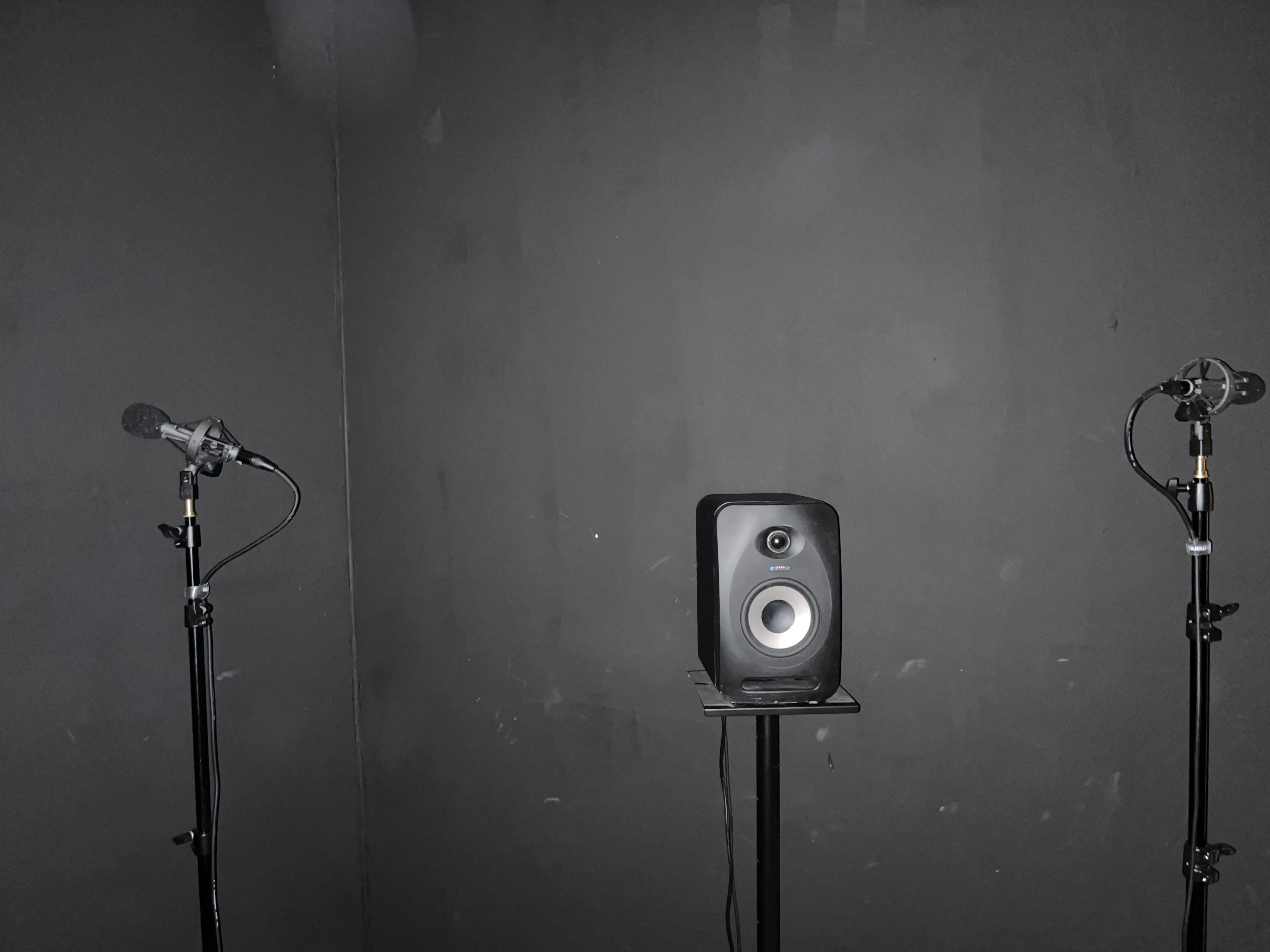
Extended Project Description:
Latent Enclosures is a sound installation that reveals, transforms, and resynthesizes latent sonic phenomena within an enclosed space.
A custom sound analysis system captures impulse responses from multiple locations within a room and processes them to uncover acoustic
qualities perceptible and imperceptible to the unaided human ear: prominent and non-prominent resonances, noisiness, temporal
reflections, and other emergent characteristics detected by automated machine listening algorithms.
Recorded sounds from within the installation and real-time acoustic feedback are filtered through these transformed impulse responses,
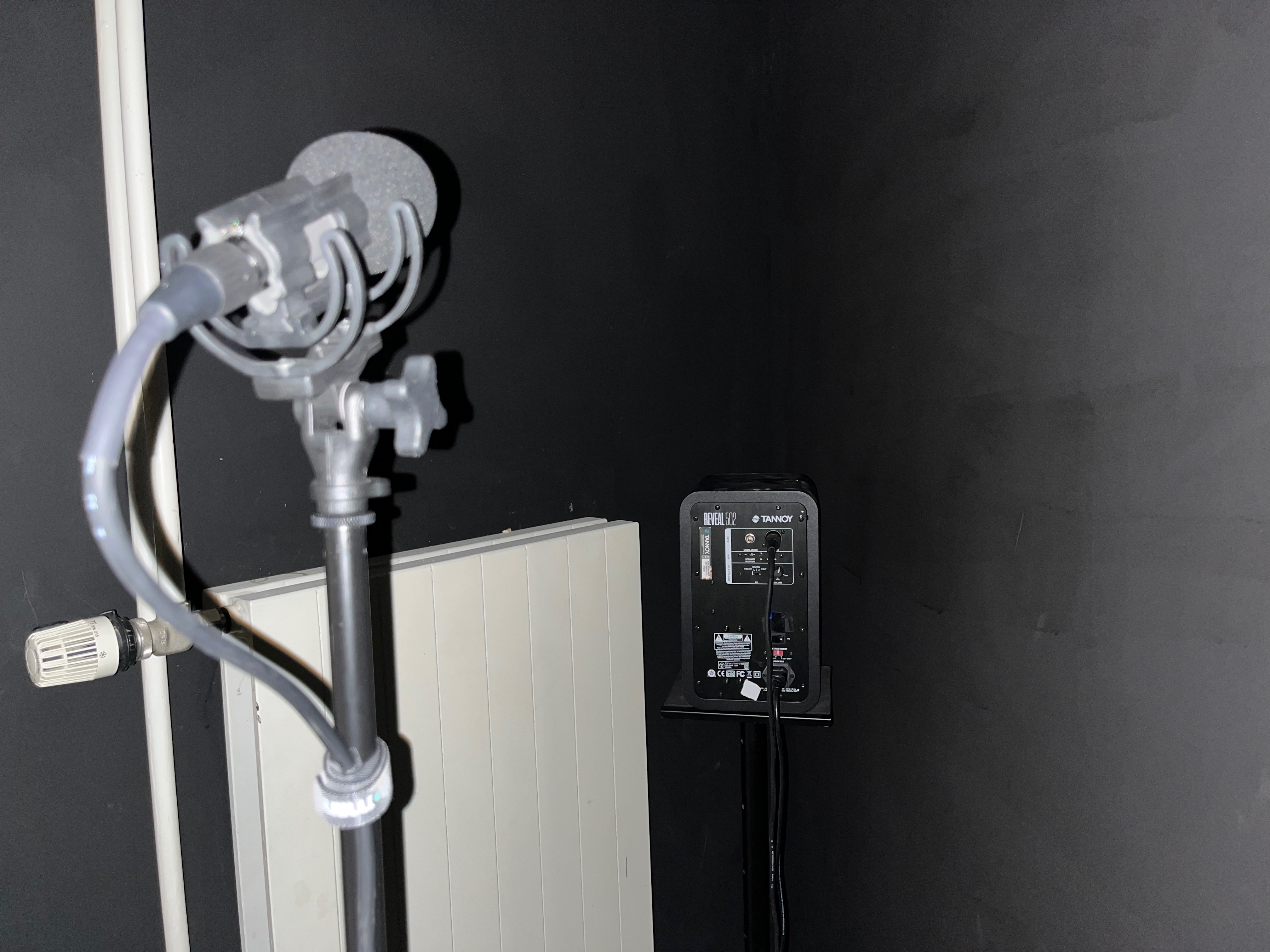
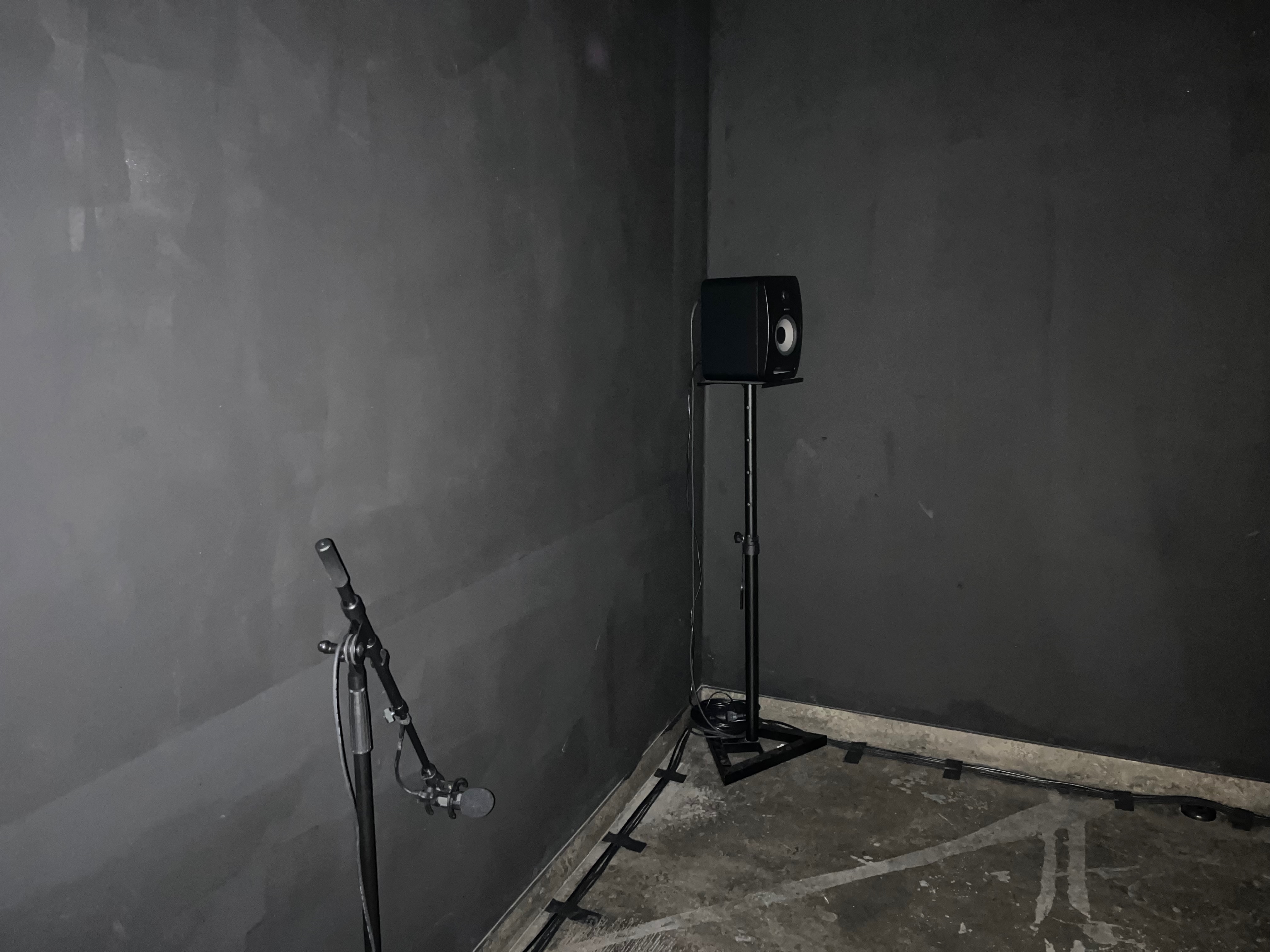
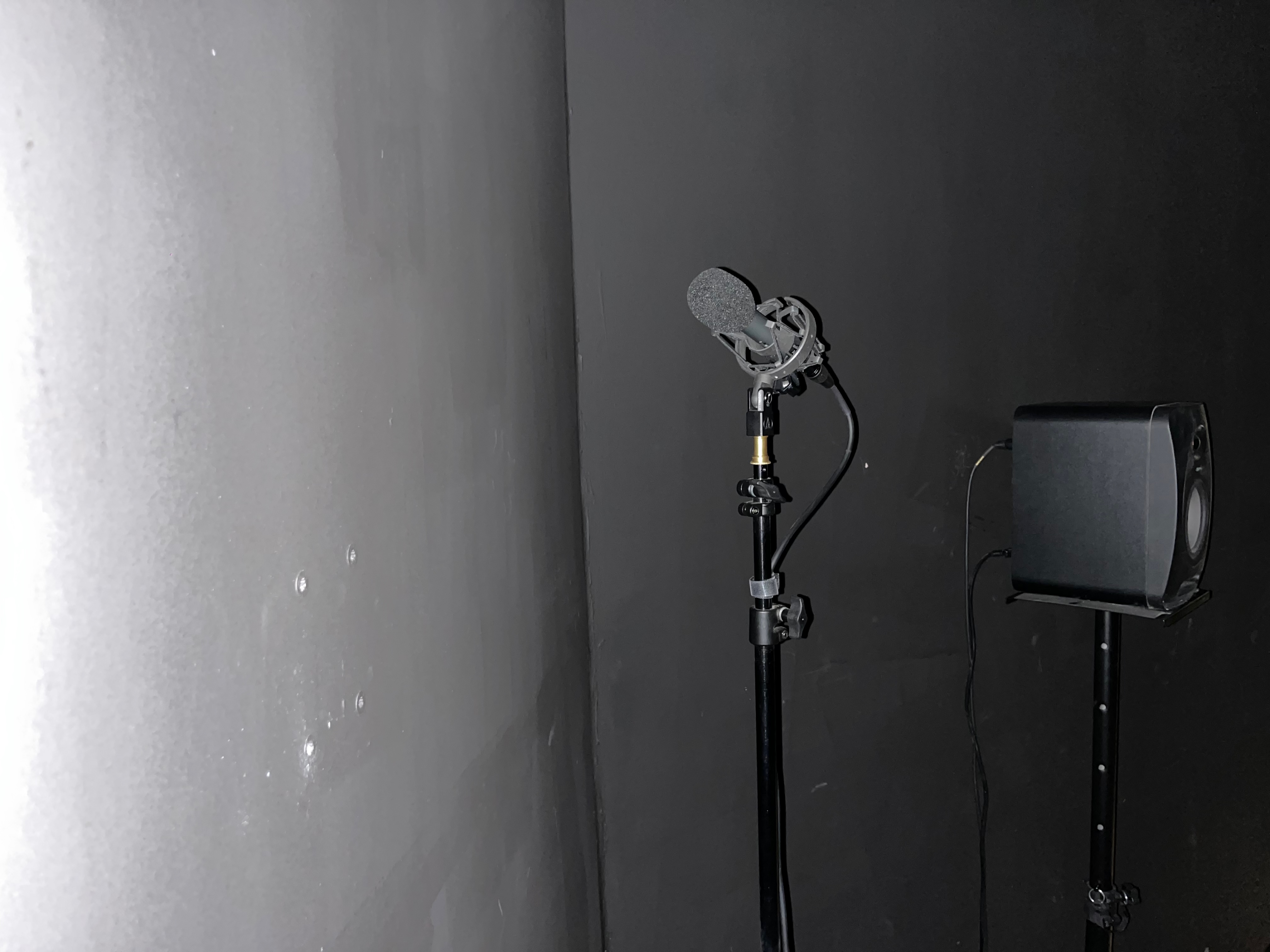
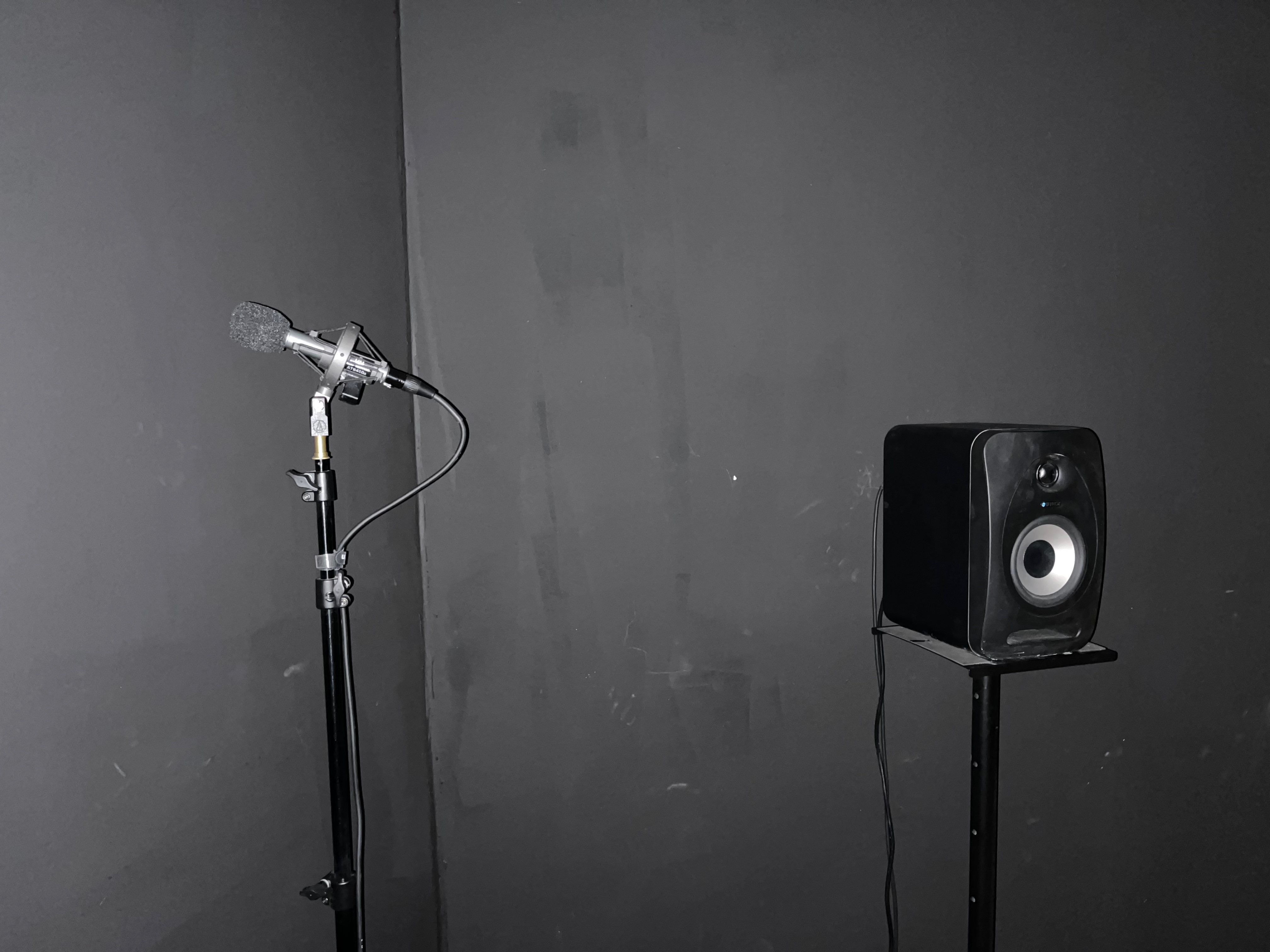
which articulate and modulate the room’s latent acoustic properties. As listeners move among strategically placed microphones and
speakers, their physical presence alters the room’s acoustics, and their auditory experience fluctuates in relation to their
position within the space.
The same analytical processes applied to the room’s impulse responses are also used to deconstruct recordings captured within
the installation. This resynthesizes the machine’s perception of these sonic events while establishing a link between sounds produced
by participants, environmental sounds originating beyond the installation space, and the ways in which obfuscated, enclosed digital
systems render sound and shape auditory experience.
Special thanks to Senem Pirler, Desiree Foerster, Ken Nakagaki, Dominic Coles, Stefan Maier, and Tess Bents.
Documentation:
This documentation consists of an hour-long direct capture of the system’s output. While a binaural version has been produced to enhance the work’s spatiality, the recording cannot fully represent its perceptual and spatial qualities, as the acoustic space itself plays a critical role.